Portable toilets are working sanitation equipment, so regular maintenance protects the user experience and the value of the asset. A unit that is cleaned but not inspected can still develop problems with locks, seals, plumbing, tanks, fittings or transport components.
Create a service checklist for every unit
Use the same inspection routine after every event or site rotation. Check the exterior, doors, locks, hinges, ventilation, floor, toilet fittings, basin fittings and any electrical equipment included in the model.
Clean from top to bottom
Remove loose dirt first, then clean high-touch surfaces, sanitary fittings, floors and external handles using products suitable for the materials. Avoid chemicals that can damage seals, finishes or plastics.
Inspect water and waste systems
Confirm that tanks, hoses, pumps, valves and connections are secure and free from visible leaks. Waste should be handled and disposed of in accordance with applicable requirements. Business owners should document the servicing process rather than rely on memory.
Check doors, locks and moving parts
Door alignment, locks and hinges affect both safety and customer experience. Tighten loose hardware, replace worn parts and investigate recurring damage before returning the unit to service.
Inspect premium VIP fittings
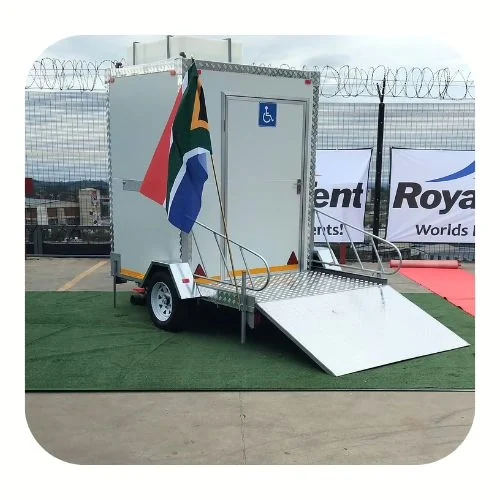
For models such as the Presidential VIP Toilet and other VIP toilets, presentation matters. Check mirrors, basins, lighting, finishes and visible fittings before the next booking.
Maintenance for portable plastic toilets
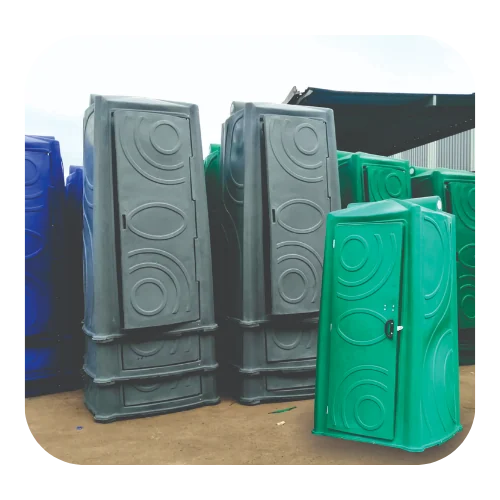
Portable Plastic Toilets should be checked for cracks, door damage, ventilation problems and wear around handles and fittings. Units moved frequently may need additional transport-related inspections.
Keep service records
A simple record showing date, unit number, faults found, repairs completed and next service due makes a growing fleet easier to manage.
Simple maintenance records that protect your investment
For a fleet of portable toilets, use a short record for each unit rather than relying on memory. Note the unit identifier, the date inspected, the condition of doors and seals, the water and waste system, consumables replenished and any repairs required. Photograph damage before a unit goes out and again on return when practical.
- Before dispatch: clean, inspect, restock, confirm stability and secure moving parts.
- On site: monitor cleanliness, access, consumables and safe servicing arrangements.
- After collection: empty and clean in an appropriate approved facility, inspect for leaks and schedule repairs.
Follow the manufacturer’s cleaning instructions and use suitable products for the unit’s surfaces and fittings. Waste must be handled and disposed of through appropriate services in line with local requirements. If you are comparing equipment for easy servicing, explore portable plastic toilets and the complete range for sale.
Repair problems before the next booking
Small defects can become expensive when ignored. Keep common consumables and replacement parts available where practical, and schedule bigger repairs before the unit returns to customer use.
If you are building or expanding a sanitation fleet, browse the toilets for sale range or request a quote.